
Master Bedroom Ideas
Your master bedroom is more than just a place to sleep—it is the anchor of your home’s private life. At Cozy Eden Decor, we believe the primary suite should be a restorative sanctuary that balances functional design with deep, personal comfort.
Whether you are looking to overhaul your layout or simply refresh your textiles, this guide covers the essential elements of master bedroom design. From ergonomic furniture placement and ambient lighting layers to the psychology of color, these ideas focus on elevating the largest bedroom in your home into a high-value retreat.
The 2026 Master Suite Trends: Sanctuary & Sensory Flow
Modern master bedroom design has graduated from the “showroom” aesthetic of the early 2020s. We are now in the era of Intentional Luxury.
- The “Sleep-Plus” Zone: A design approach that integrates secondary functions—meditation corners, reading nooks, or vanity stations—without cluttering the visual field.
- Middleism: Just as with small spaces, the master suite embraces Middleism. We reject the echo of empty minimalism in favor of “curated abundance”—handpicked, heirloom-quality pieces that anchor the room.
- Biophilic Maximalism: Bringing nature indoors not just through plants, but through large-scale organic materials: raw travertine nightstands, clay-washed walls, and untreated wood beams.
1. Optimizing the Master Suite Layout
The foundation of a luxury master bedroom lies in the flow of the room. Before selecting aesthetics, you must master the spatial dynamics.
The “Power Position”
Place the bed on the solid wall opposite the door, but not directly in line with it. This commands the room and enhances the feeling of security—a key principle in Feng Shui that improves psychological comfort.
Zoning Your Suite
In larger master bedrooms, avoid the “gymnasium effect” by creating distinct micro-zones:
- The Sleeping Zone: Dedicated strictly to rest with zero digital distractions.
- The Reading Nook: An accent chair, ottoman, and floor lamp tucked into a corner.
- The Dressing Area: If closet space is limited, an external valet stand or dressing bench adds utility and style.
Designer Tip: When planning a master bedroom layout, aim for a minimum of 30 to 36 inches of walking path around the perimeter of the bed. This ensures the room feels open and uncluttered.
2. Lighting Layers: Setting the Mood
Lighting is the most critical variable in creating a “Cozy Eden.” A single overhead light flattens the room. Instead, employ a three-tier lighting strategy:
- Accent Lighting: LED strips under the bed or picture lights over artwork add depth and drama.
- Ambient Lighting: A dimmer-controlled chandelier or semi-flush mount fixture provides general illumination.
- Task Lighting: Sconces or adjustable table lamps allow for reading without waking a partner.
Recommended Light Temperatures (Kelvin)
| Lighting Zone | Kelvin Rating | Best Use Case |
|---|---|---|
| Bedside Reading | 2700K – 3000K | Warm, relaxing light that mimics sunset to aid sleep. |
| Closet / Vanity | 3500K – 4000K | Neutral white light, best for seeing true fabric colors. |
| General Overhead | 2700K | Soft glow for winding down in the evening. |
3. Essential Furniture for a Cohesive Look
To achieve a “curated” rather than “cluttered” look, focus on quality over quantity.
- The Statement Bed Frame: Your bed is the visual focal point. Current trends favor upholstered headboards in velvet or linen for a softening effect, or natural wood platform beds for a Japandi or organic modern aesthetic.
- Nightstand Dynamics: While matching nightstands offer traditional balance, modern styles often mix materials. Try a round marble table on one side and a wooden chest on the other to add visual texture while maintaining functional height.
- End-of-Bed Seating: An upholstered bench or a pair of X-stools at the foot of the bed anchors the sleeping area and provides a practical spot for dressing.
4. Color Palettes & Textures
Psychology of Color
- Sage Greens & Muted Blues: Biophilic tones that lower heart rates and promote anxiety reduction.
- Warm Terracottas & Beiges: Create a “cocooning” effect, perfect for north-facing rooms that need warmth.
- Moody Monochromes: Charcoal or navy walls can blur the boundaries of a room, making it feel expansive and intimate simultaneously.
“Texture-Maxxing” Your Space
Texture is the secret weapon of interior designers. To prevent a room from feeling sterile, layer your materials:
- Flooring: High-pile wool rugs over hardwood.
- Bedding: Washed linen sheets paired with a chunky knit throw and velvet pillows.
- Walls: Board-and-batten paneling or limewash paint to add depth without visual noise.
Frequently Asked Questions about Master Bedrooms
The best colors for a master bedroom are cool, calming tones like soft blue, sage green, and lavender, as they are scientifically proven to promote relaxation. However, warm neutrals like taupe and beige are excellent for creating a cozy, versatile backdrop.
To make a master bedroom look expensive, focus on scale and texture. Use oversized art, hang floor-to-ceiling curtains (high and wide), and layer your bedding. Swapping out standard hardware on dressers for brushed brass or matte black handles is also a high-impact, low-cost upgrade.
For a King-sized bed, an 8×10 rug is the standard minimum, allowing the rug to sit under the bottom two-thirds of the bed. For larger rooms, a 9×12 rug provides a luxurious border, ensuring your feet land on something soft when you step out of bed.
Explore More Master Bedroom Decor Ideas
Looking for specific styling guides or DIY projects for your primary suite? Dive deeper into our latest articles.
Browse our curated collection of master bedroom guides below. From luxury styling hacks to seasonal refreshes, these articles provide the deep-dive details you need to complete your sanctuary.
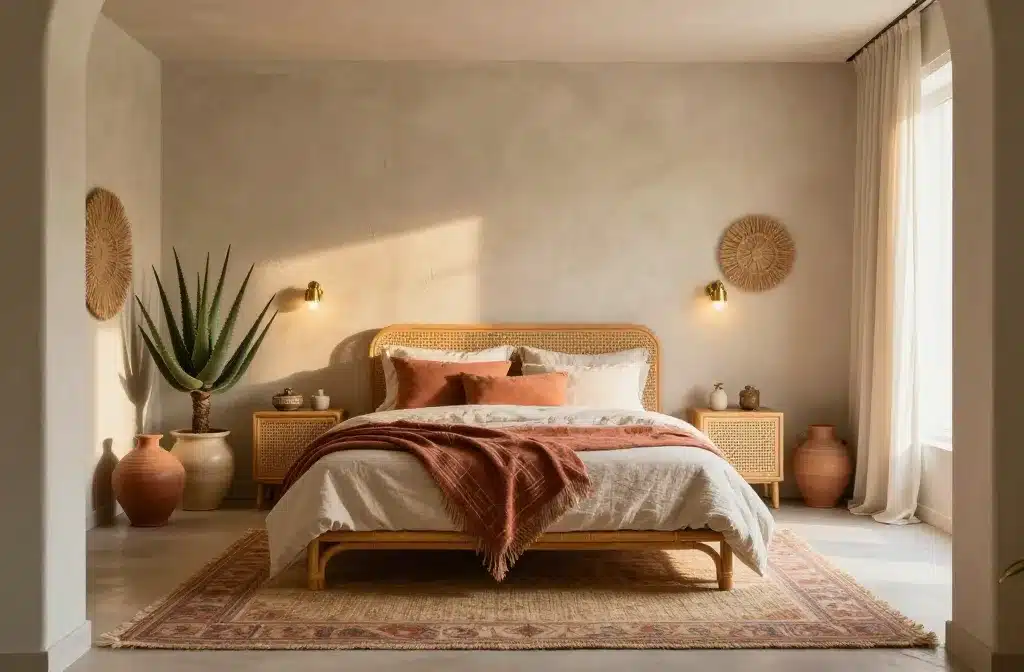
15 Dreamy Boho Master Bedroom Ideas to Inspire Your Inner Free Spirit Tonight
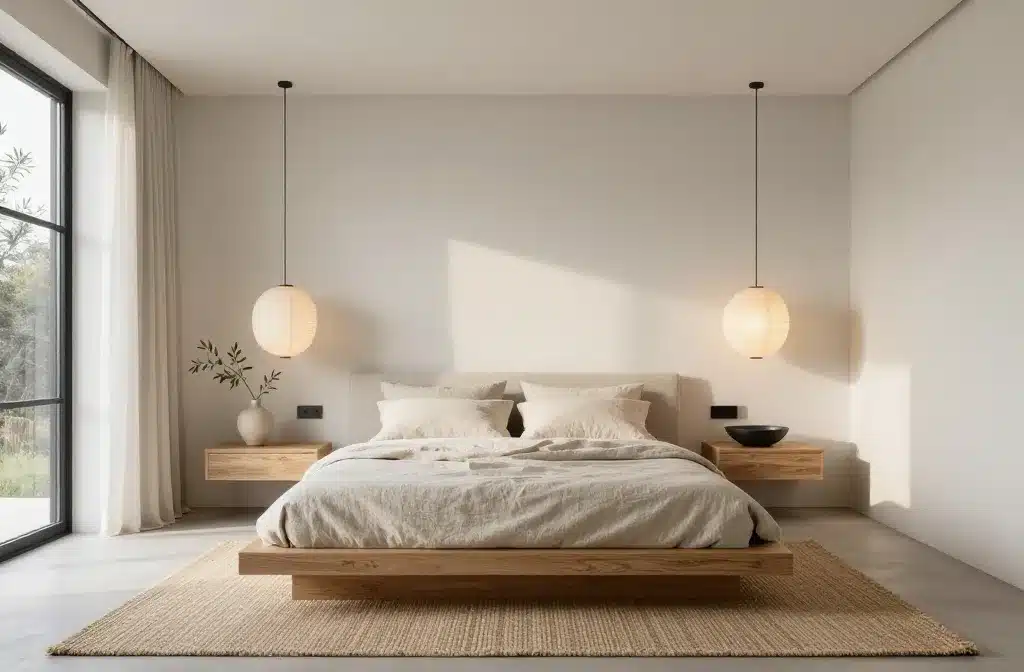
Steal-Worthy 12 Organic Modern Master Bedroom Ideas for a Serene Retreat
How Master Bedroom Decor Fits Into Your Home
Your master bedroom is more than just a room; it is the anchor of your home’s private life and sets the tone for your entire sanctuary. A well-designed primary suite balances functional luxury with deep, restorative comfort, creating a personal retreat that recharges you for the rest of your home. By focusing on ergonomic flow and layered textures, you build a space that is as restorative as it is beautiful.