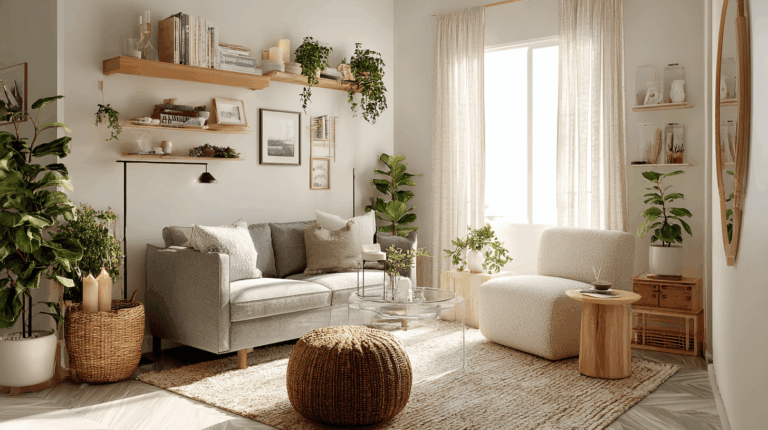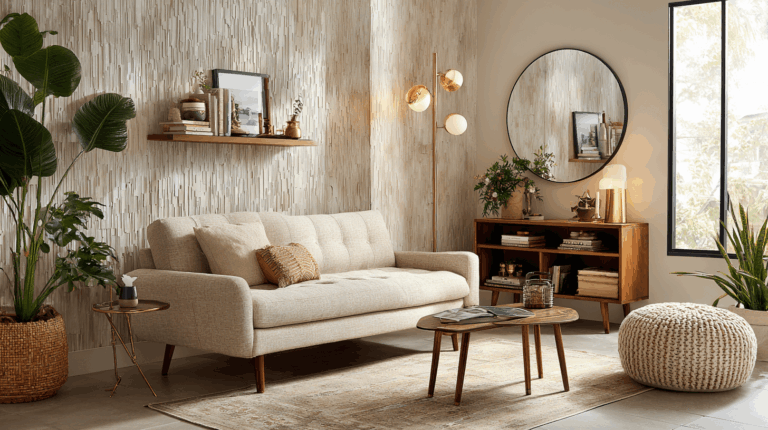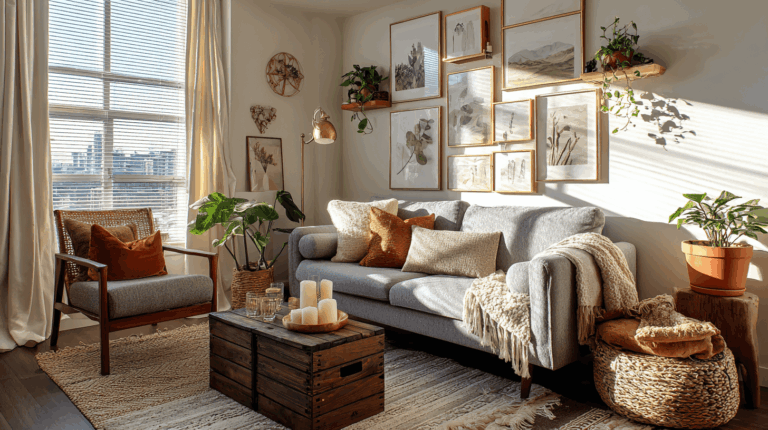
10 Small Living Room Decor Ideas That Make the Space Look Bigger
You’ve probably walked into your living room and felt the walls closing in, wishing you had just a few more square feet to work with. Here’s the good news: you don’t need to knock down walls or move to a bigger place. With the right design strategies, you can transform your compact space into a room that feels open, airy, and surprisingly spacious. Let’s explore how smart decor choices create that illusion.
Embrace Light and Neutral Color Palettes
When you’re working with limited square footage, light and neutral colors become your most powerful allies in creating the illusion of space. Whites, creams, soft grays, and beiges reflect natural light, making walls appear to recede and rooms feel airier.
Paint your walls, ceiling, and trim in similar shades to blur boundaries and eliminate visual breaks that shrink spaces. You can layer different neutral tones through furniture, textiles, and accessories to add depth without overwhelming the room.
This monochromatic approach creates a seamless flow that tricks the eye into perceiving more square footage than actually exists.
Choose Multi-Functional Furniture With Smart Storage
The right furniture choices can double or even triple the functionality of every piece in your small living room.
Look for ottomans with hidden compartments, coffee tables featuring drawers or shelves, and sofas with built-in storage underneath.
Consider nesting tables you’ll tuck away when not needed, or a console that transforms into a dining table.
Wall-mounted fold-down desks provide workspace without consuming floor area.
Choose a sleeper sofa if you’re hosting overnight guests.
Each furniture piece should earn its place by serving multiple purposes while keeping clutter concealed and your space feeling open and organized.
Use Mirrors Strategically to Create Depth
Mirrors transform cramped quarters into seemingly spacious retreats by reflecting light and creating visual depth that tricks the eye.
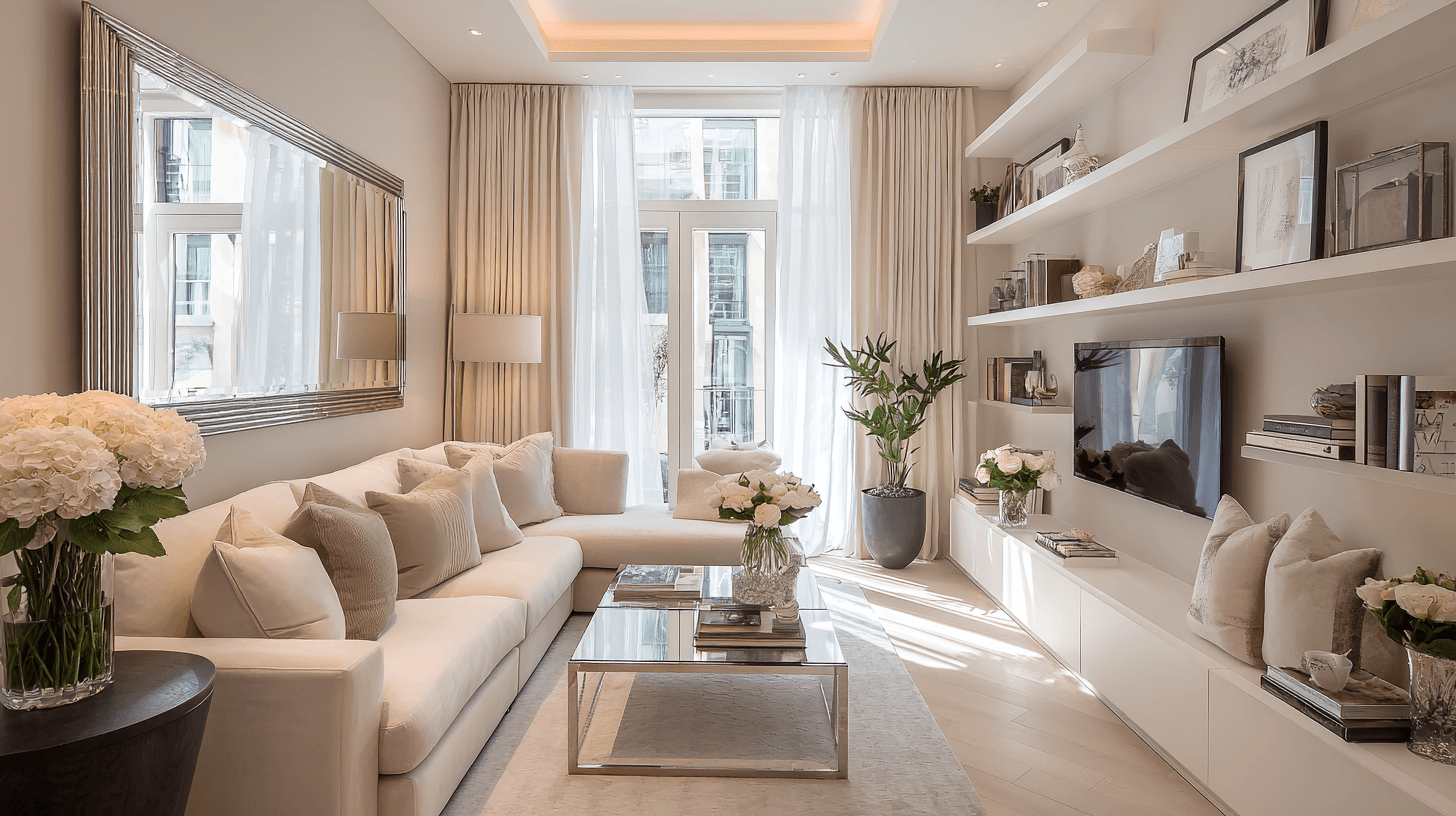
Position a large mirror opposite your primary window to bounce natural light throughout the room and visually double your space. You’ll amplify brightness while creating an illusion of depth.
Maximize natural light and expand your living space instantly by positioning a large mirror directly across from your main window.
Consider placing mirrors behind light sources like table lamps or sconces to maximize their glow.
Leaning an oversized floor mirror against a wall adds vertical height without permanent installation.
Arrange multiple smaller mirrors in a gallery-style cluster to create an eye-catching focal point that expands your room’s perceived dimensions.
Opt for Furniture With Exposed Legs
Furniture with exposed legs creates breathing room beneath sofas, chairs, and tables that makes your living room feel considerably larger.
When you can see the floor extending under your furniture, it tricks the eye into perceiving more square footage than actually exists.
Choose pieces with legs at least six inches high for maximum visual impact.
Mid-century modern and Scandinavian designs naturally incorporate this feature while offering clean lines that complement small spaces.
Contrast this with skirted sofas or solid-base furniture that creates visual barriers, making rooms feel cramped and enclosed unnecessarily.
Maximize Natural Light With Minimal Window Treatments
Natural light serves as one of your most powerful tools for expanding a small living room’s visual boundaries. Heavy drapes and bulky curtains block sunlight and make your space feel cramped.
Instead, choose sheer curtains, light-filtering blinds, or simple roller shades that let brightness flood in while maintaining privacy. If you don’t need privacy during daytime hours, leave windows bare to maximize illumination.
Mount curtain rods close to the ceiling and extend them beyond window frames—this draws eyes upward and creates an illusion of larger windows. Light-colored window treatments in whites, creams, or pastels reflect rather than absorb sunlight, amplifying your room’s airy feel.
Create Vertical Interest With Floor-To-Ceiling Elements
When you draw the eye upward with floor-to-ceiling elements, you’ll transform how spacious your living room feels.
Install tall bookshelves that reach the ceiling to emphasize height while providing storage. Hang curtains from ceiling-mounted rods rather than just above the window frame to create dramatic vertical lines.
Maximize vertical space with ceiling-height bookshelves and curtain rods mounted at the top to create an illusion of grandeur.
Consider floor-to-ceiling wall paneling or shiplap to guide eyes upward. Display tall potted plants like fiddle leaf figs or snake plants in corners.
Mount artwork in vertical arrangements or choose one oversized piece that extends from floor level upward. These elements make ceilings appear higher and rooms more expansive.
Select a Streamlined Sofa Proportionate to Your Space
Your sofa will likely dominate your small living room, so choosing the right size and style is critical.
Measure your space carefully before shopping, ensuring adequate walkway clearance of at least 18 inches. Opt for sofas with exposed legs rather than skirted bases—this creates visual breathing room underneath.
Consider low-profile designs with clean lines instead of bulky, overstuffed models. A sofa ranging from 72 to 84 inches works well in most compact spaces.
Choose neutral upholstery to maintain visual continuity, and avoid heavy patterns that can overwhelm. Armless or track-arm styles maximize seating without excessive bulk.
Incorporate Transparent or Reflective Materials
Glass coffee tables, acrylic chairs, and mirrored surfaces work double duty in small living rooms by providing function while maintaining an airy feel.
These materials allow light to pass through or bounce around, creating visual expansion without adding bulk. You’ll preserve precious floor space with transparent furniture since it doesn’t create visual barriers.
Position mirrors opposite windows to maximize natural light reflection. Consider lucite side tables, glass shelving, or metallic finishes on lighting fixtures.
These reflective elements trick the eye into perceiving more depth and dimension, making your compact space feel surprisingly spacious and bright.
Use a Monochromatic Color Scheme to Blur Boundaries
A monochromatic color scheme eliminates visual choppy shifts that make small rooms feel cramped and disjointed.
When you use varying shades of one color throughout your living room, walls blend seamlessly with furniture and décor. This creates an uninterrupted flow that tricks the eye into perceiving more space.
Choose lighter tones like soft grays, beiges, or whites as your base.
Start with pale neutrals like soft gray, warm beige, or clean white to establish a light, airy foundation for your monochromatic scheme.
Layer darker and lighter versions through textiles, artwork, and accessories. You’ll add depth without breaking up the room visually.
This cohesive approach expands perceived boundaries, making your compact living room feel considerably larger and more open.
Keep Décor Minimal and Purposeful
When every item must earn its place, your small living room naturally feels more spacious and intentional.
Choose décor that serves double duty—like decorative baskets for storage or a beautiful ottoman that provides seating and stashes blankets inside.
Display only your favorite pieces rather than cluttering shelves with knickknacks. Each accessory should either enhance functionality or bring you genuine joy.
Edit ruthlessly: remove anything that doesn’t contribute to the room’s purpose or aesthetic.
This disciplined approach creates breathing room, making your space feel larger while maintaining personality and style without overwhelming the limited square footage.
Conclusion
By implementing these strategic design choices, you’ll transform your small living room into a space that feels open, airy, and remarkably larger than its actual square footage. Remember, it’s not about following every tip—choose the ones that best suit your style and needs. Start with one or two changes, like swapping heavy curtains for sheers or adding a statement mirror, and you’ll immediately notice the difference. Your compact living room has serious potential.